The beauty industry is at a turning point. For decades, single-use plastics have dominated cosmetics packaging — lightweight, cheap, and versatile. But the environmental cost has become impossible to ignore. From ocean microplastics to overflowing landfills, the impact of plastic waste is now a top concern for regulators, consumers, and brands alike. The beauty sector alone generates an estimated 120 billion units of packaging annually, according to the Ellen MacArthur Foundation, and the vast majority of it is plastic. Most of this packaging is used once and then discarded, contributing to a global waste crisis that shows no signs of slowing down.
Governments around the world are responding with stricter regulations. The European Union's Single-Use Plastics Directive, which took effect in 2021, bans certain plastic products and sets ambitious recycling targets. The United Kingdom has introduced a Plastic Packaging Tax, charging manufacturers for packaging that contains less than 30% recycled content. Similar policies are emerging in North America and Asia, forcing beauty brands to rethink their packaging strategies. In the United States, states like California and New York are introducing their own plastic reduction laws, while Canada has classified plastic manufactured items as toxic substances under its environmental protection act. This regulatory landscape is only going to get more stringent in the coming years.
Meanwhile, consumer awareness is at an all-time high. People are more informed about environmental issues than ever before, and they expect the brands they support to share their values. A 2023 McKinsey study found that over 60% of consumers actively seek out products with sustainable packaging, and they are willing to pay a premium for it. Among Gen Z and Millennial consumers, that number climbs to over 75%. Social media has amplified this trend — videos of plastic pollution, microplastics in the ocean, and animals harmed by plastic waste go viral regularly, putting pressure on brands to take visible action. For beauty brands, this is no longer a "nice-to-have" — it's a competitive necessity. Brands that fail to address their plastic footprint risk losing customers to more responsible competitors.
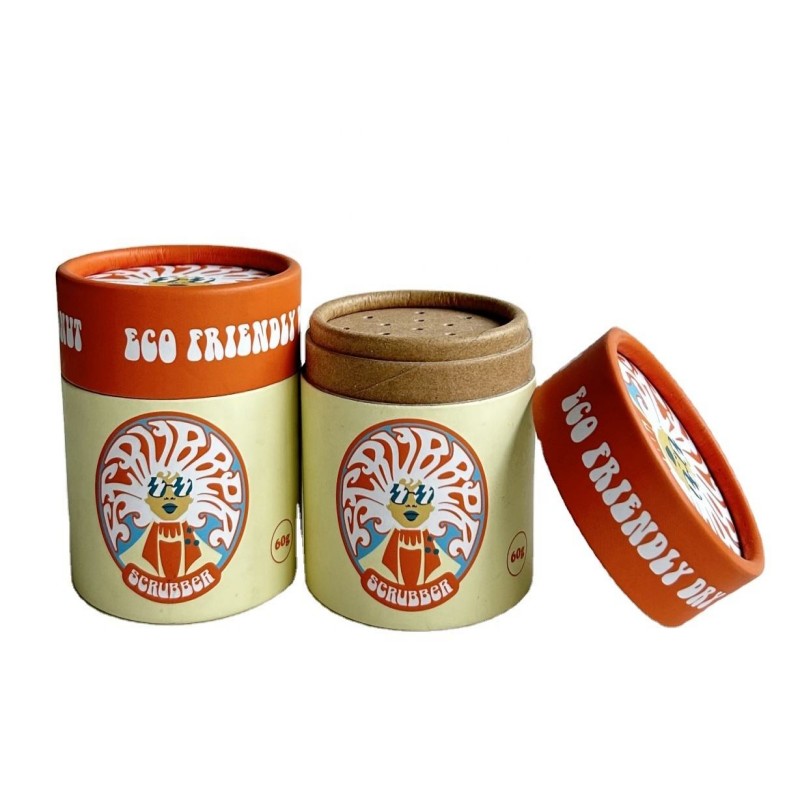
This is where paper tube packaging comes in. Paper tubes offer a sustainable alternative that addresses both regulatory pressure and consumer demand. They are lightweight, recyclable, and — in our case — 100% biodegradable. Unlike plastic tubes that take centuries to break down, our paper tubes are designed to return to nature safely, leaving no toxic residue behind. Independent testing confirms that our paper tubes degrade within 12 to 18 months in industrial composting conditions, compared to the 400-plus years it takes for a plastic tube to decompose. This is a dramatic difference that makes paper a truly future-proof choice.
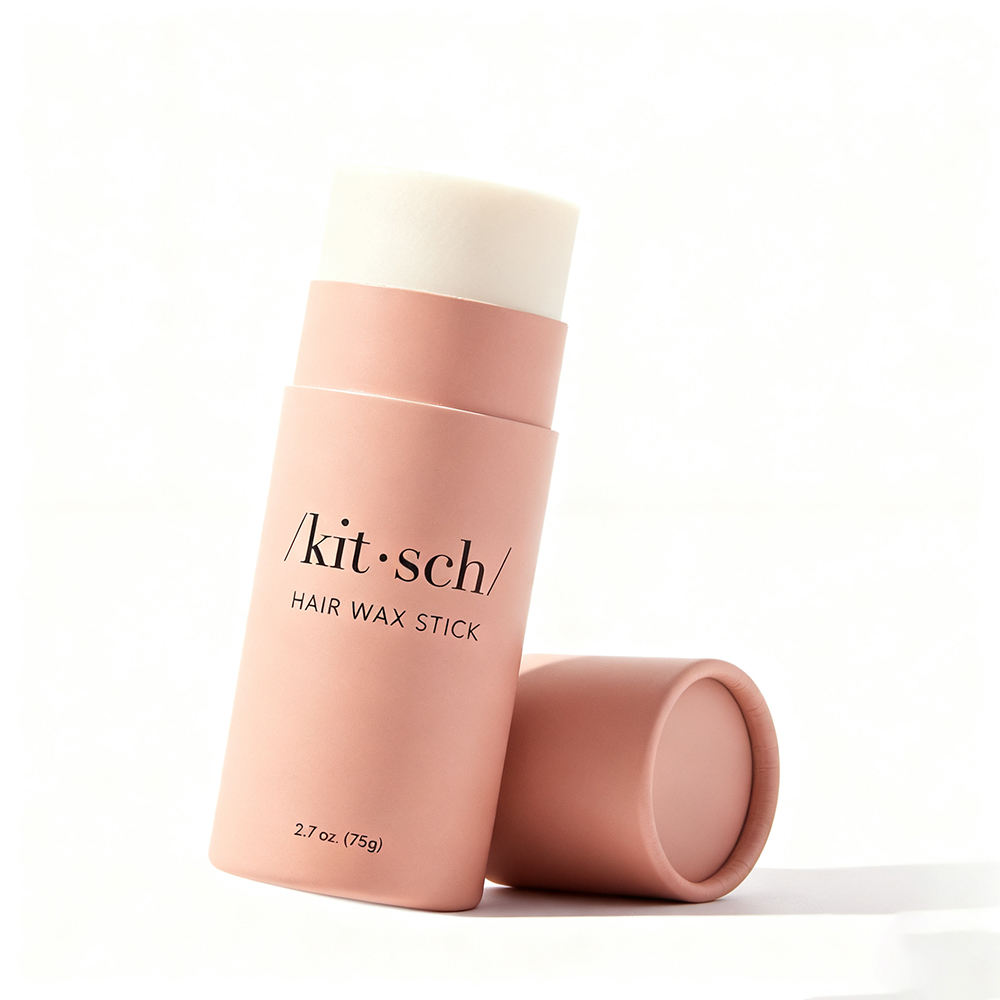
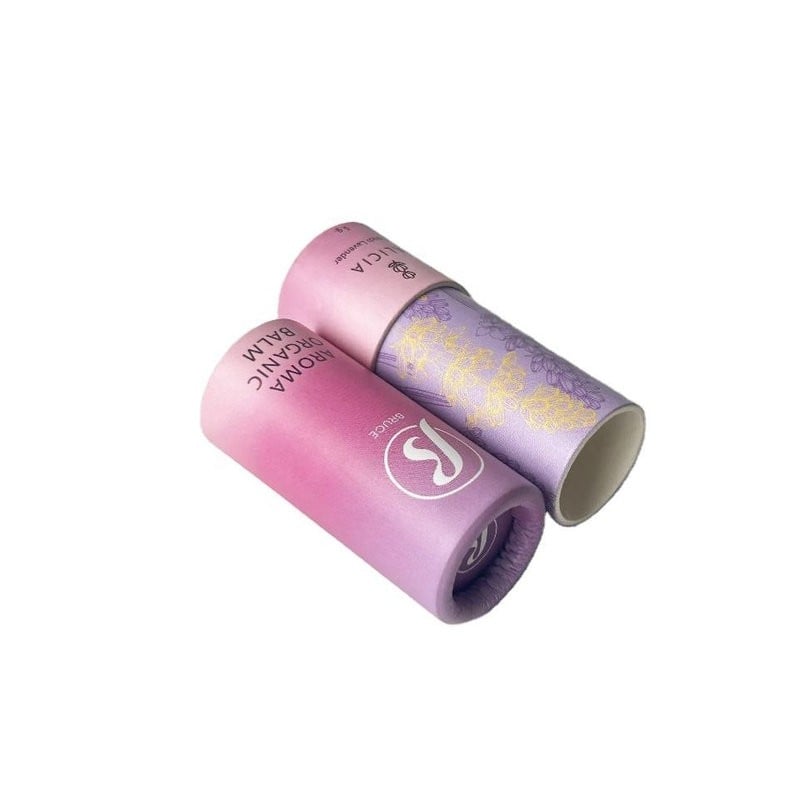
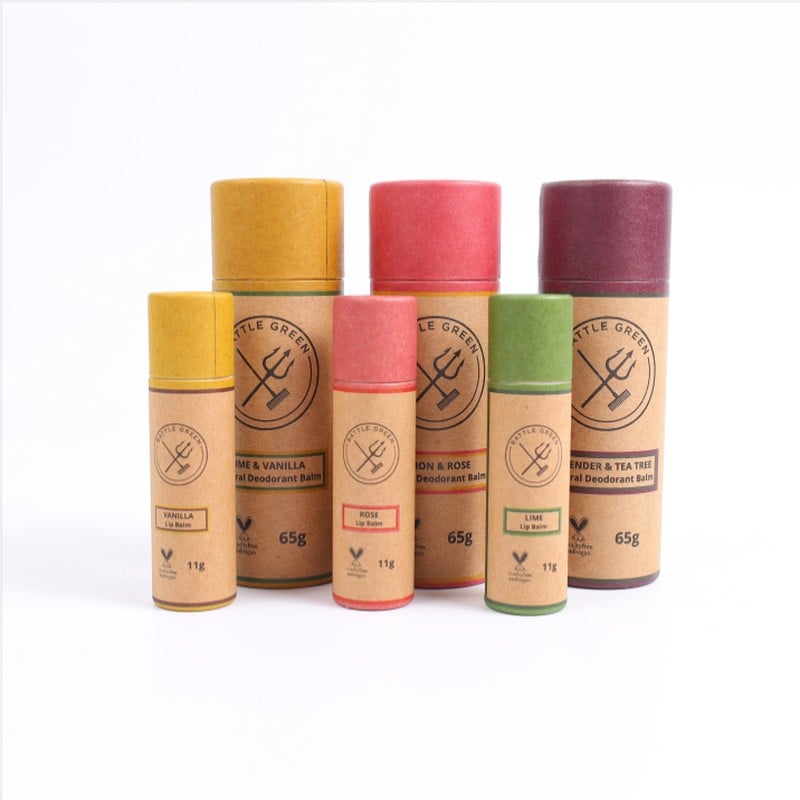
But sustainability does not mean sacrificing functionality. Our paper tubes are engineered to perform. We use premium kraft paper and solid bleached sulfate board sourced from FSC-certified suppliers, ensuring every tube is strong, durable, and responsibly made. For beauty products like lip balms, deodorants, and skincare creams, we offer moisture-resistant coatings and secure seals that keep products fresh and protected. Our push-up mechanisms are designed for smooth operation, giving users a premium experience every time. We also offer twist tubes and bottom-sealed options to suit different product types and application methods. The result is a packaging solution that performs as well as plastic — without the environmental baggage.
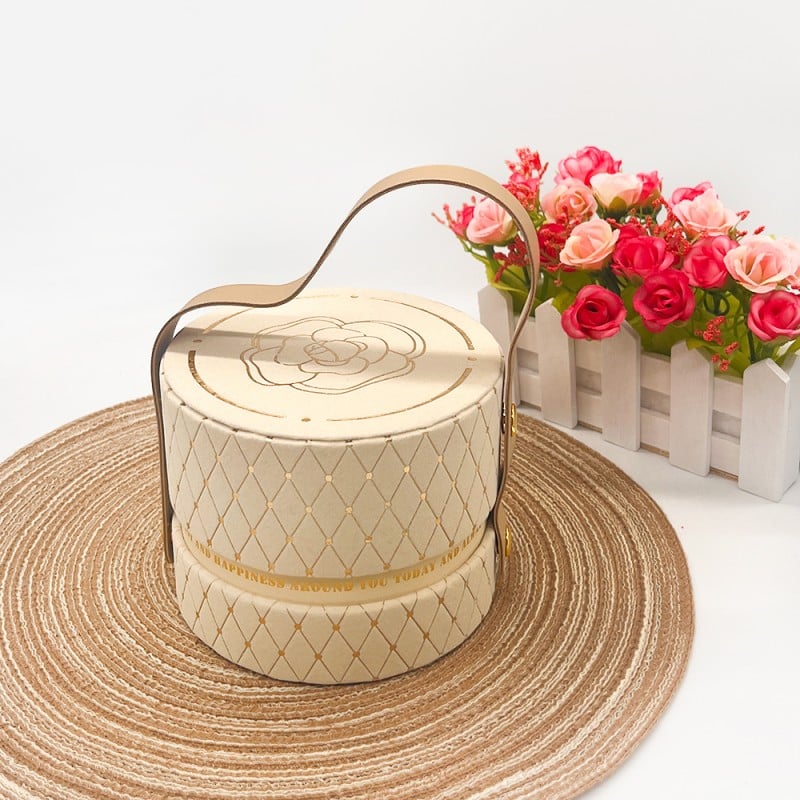
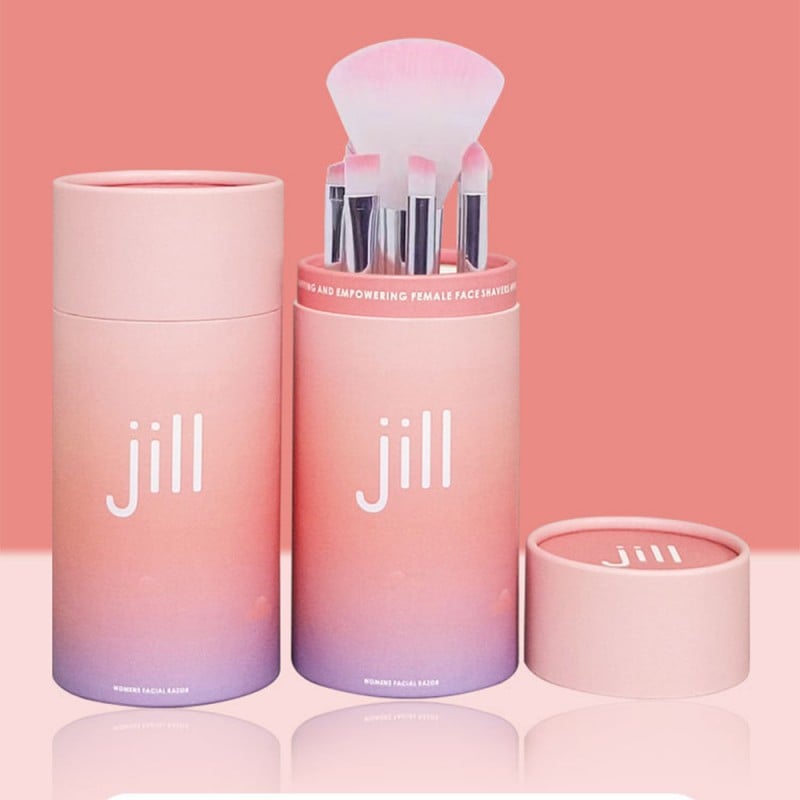
Customization is another key advantage. Beauty brands thrive on differentiation, and paper tubes offer a canvas for creativity. From hot stamping and embossing to gloss and matte lamination, our finishing options allow brands to create packaging that stands out on the shelf. We support up to eight-color precision printing, ensuring vibrant, photorealistic graphics that capture the essence of the brand. The tactile warmth of paper also resonates with consumers, conveying a sense of authenticity and care that plastic simply cannot replicate. In focus groups, consumers consistently rate paper-packaged products as feeling more premium and trustworthy than identical products in plastic packaging. This perception translates directly into purchasing decisions and brand loyalty.
The economics also work in favor of paper. While the initial cost of sustainable packaging can sometimes be higher, the long-term benefits outweigh the investment. Brands that adopt eco-friendly packaging report stronger customer loyalty, improved brand perception, and access to new market segments that prioritize sustainability. Retailers like Sephora and Credo have introduced "clean packaging" criteria, giving preference to brands with sustainable packaging. Major online retailers are also rolling out "Climate Pledge Friendly" badges that boost visibility for products with certified sustainable packaging. These platforms are powerful sales channels, and paper tube packaging helps brands qualify for these programs, opening doors to increased sales and market share.
The numbers speak for themselves. By switching to paper tubes, a brand can reduce its plastic footprint by up to 80% per unit. For a mid-sized beauty brand producing one million units annually, that translates to several tons of plastic saved every year. It's a meaningful contribution to global plastic reduction goals — and a powerful message to share with customers. Some of our clients have turned their packaging switch into a full marketing campaign, generating significant media coverage and social media engagement. Consumers love sharing their sustainable purchases online, and distinctive paper tube packaging provides a highly photogenic product that encourages social sharing and user-generated content.
At Rical Keung Packaging, we are proud to be part of this transformation. We work closely with beauty brands to develop paper tube solutions that meet their specific needs — from size and shape to printing and finishing. Our six production lines and daily capacity of 20,000 tubes ensure we can deliver at scale, while our decade of manufacturing experience guarantees quality and reliability. We maintain rigorous quality control at every stage, from raw material inspection to final product testing, ensuring every tube meets the highest standards of performance and appearance. We are proud to have served over 10,000 brands across more than 100 countries and regions, and we continue to innovate in materials, design, and manufacturing processes.
The future of beauty packaging is not just about reducing plastic — it's about reimagining what packaging can be. It can be protective, beautiful, and responsible. It can reflect brand values and meet customer expectations. And it can do all of this while leaving a lighter footprint on the planet. As one beauty industry executive recently put it, "Sustainability isn't a trade-off anymore. It's an opportunity to do better business." We couldn't agree more.
As regulations tighten and consumer preferences shift, the question for beauty brands is no longer whether to make the switch, but when. Brands that act now will benefit from first-mover advantage, stronger customer relationships, and a clearer positioning in a crowded market. Those that delay risk being left behind as the industry moves toward a more sustainable future. At Rical Keung, we believe the time is now. Paper is not just a trend — it's the new standard. And we're here to help brands lead the way. Whether you're a startup launching your first product or an established brand looking to transition your entire packaging line, we have the solutions and expertise to support you every step of the way.
Ready to make the switch? Contact us today to explore how our paper tube solutions can elevate your brand while reducing its environmental impact. Together, we can build a more sustainable future for beauty — one paper tube at a time.
 Hot News
2026-08-18
2026-08-17
2026-07-21
2026-07-16
2026-07-01

 EN
EN