There is The world is waking up to a sobering reality. Every year, more than 400 million tons of plastic waste are generated globally, with a significant portion ending up in our oceans, rivers, and landscapes. Microplastics have been found in the deepest ocean trenches, the highest mountain peaks, and even in human blood and breast milk. The packaging industry, as a major contributor to this crisis, bears a special responsibility. Billions of plastic containers, tubes, and wrappers are produced and discarded each year — and the environmental consequences are becoming impossible to ignore.
Marine ecosystems are particularly vulnerable. According to the United Nations Environment Programme, approximately 11 million metric tons of plastic enter the ocean each year — a figure expected to triple by 2040 without meaningful intervention. This plastic does not simply disappear. It fragments into tiny particles that are ingested by fish and marine mammals, entering the food chain and ultimately reaching human beings. Studies have detected microplastics in the digestive systems of over 1,500 marine species, and the long-term health impacts on both wildlife and humans are only beginning to be understood. For businesses in every sector, continuing to rely on plastic packaging means participating in this cycle of pollution — a choice that is becoming increasingly untenable in the face of mounting scientific evidence.
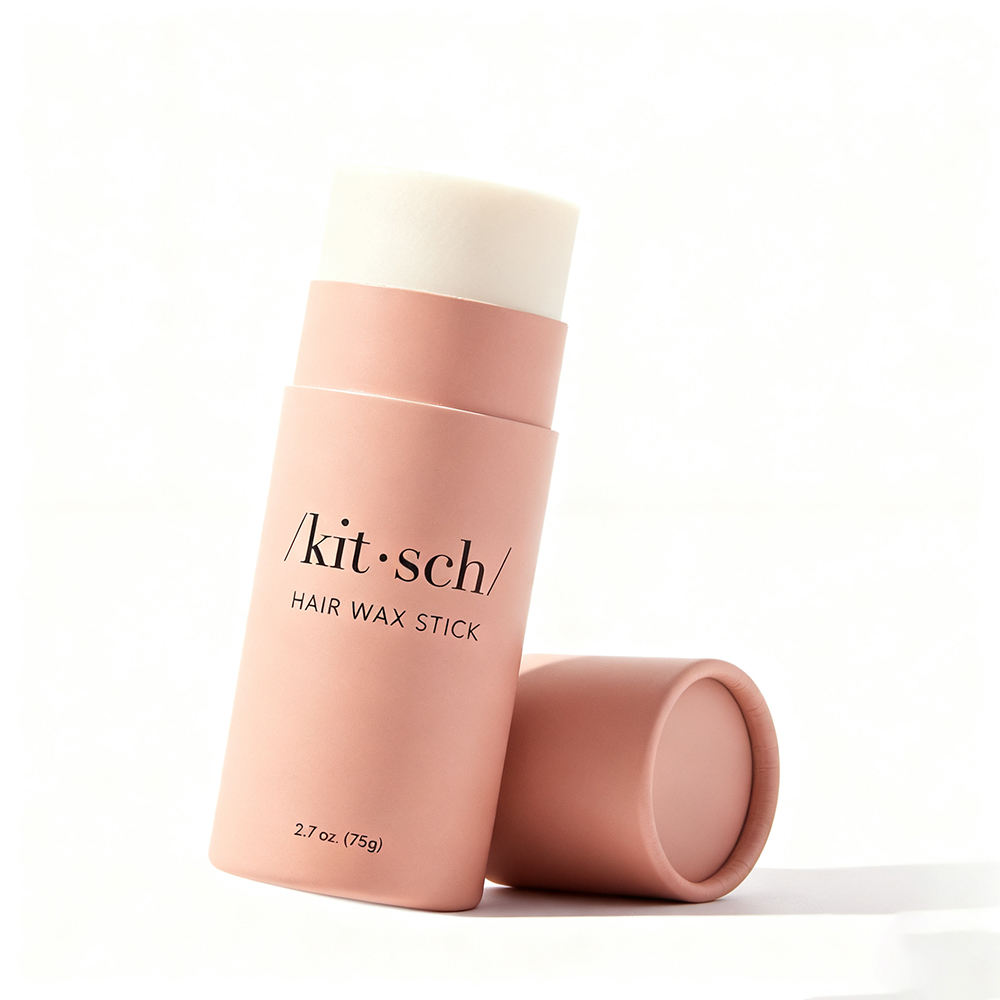
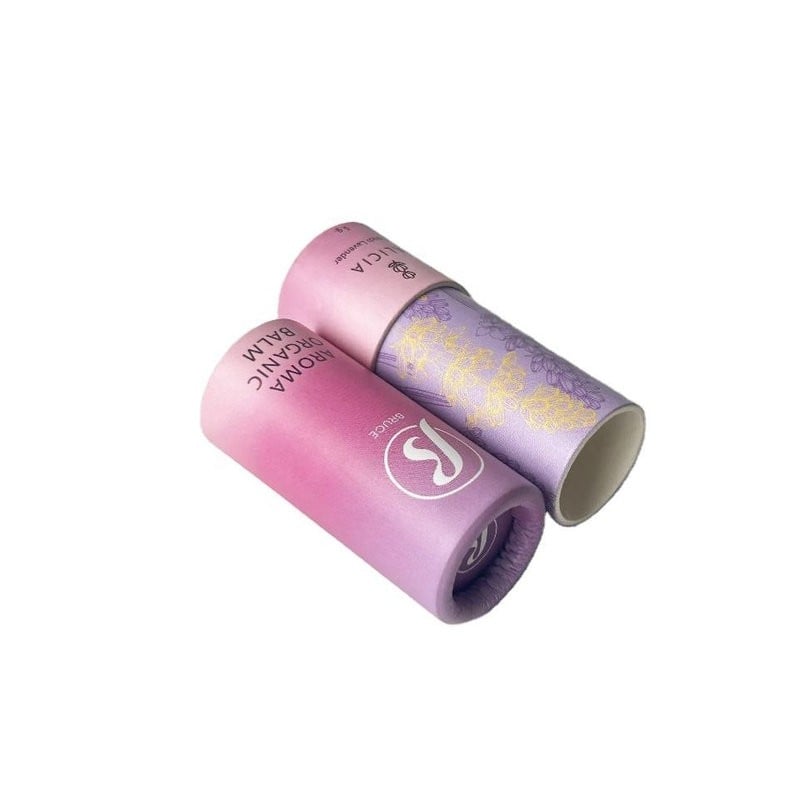
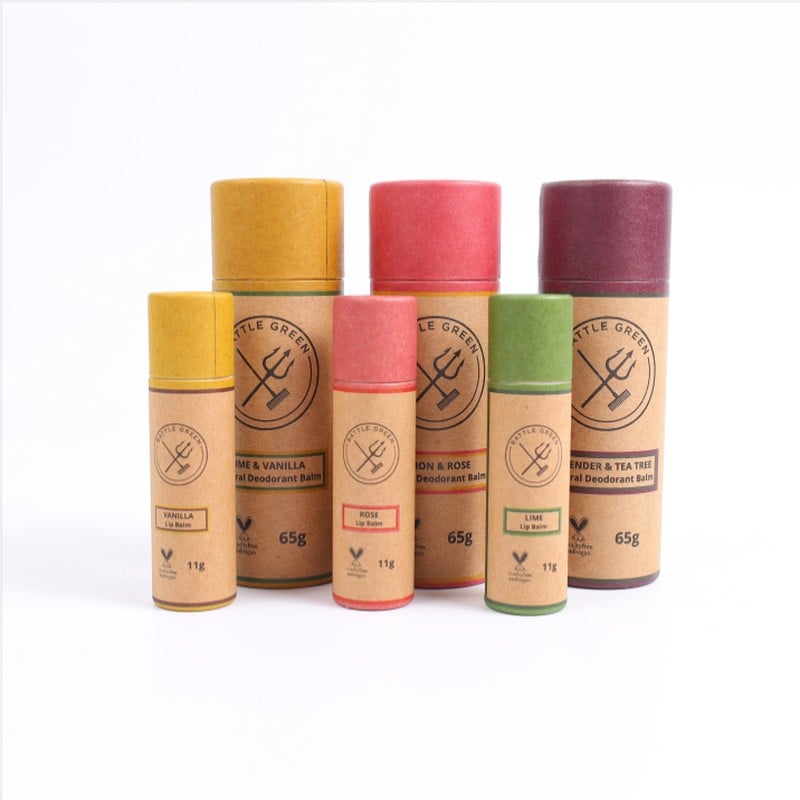
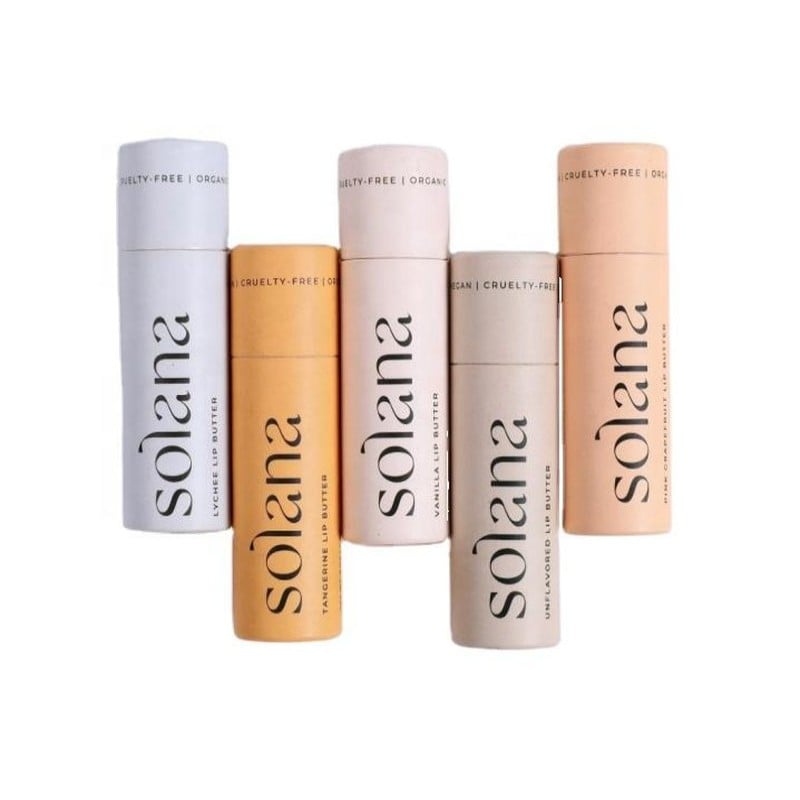
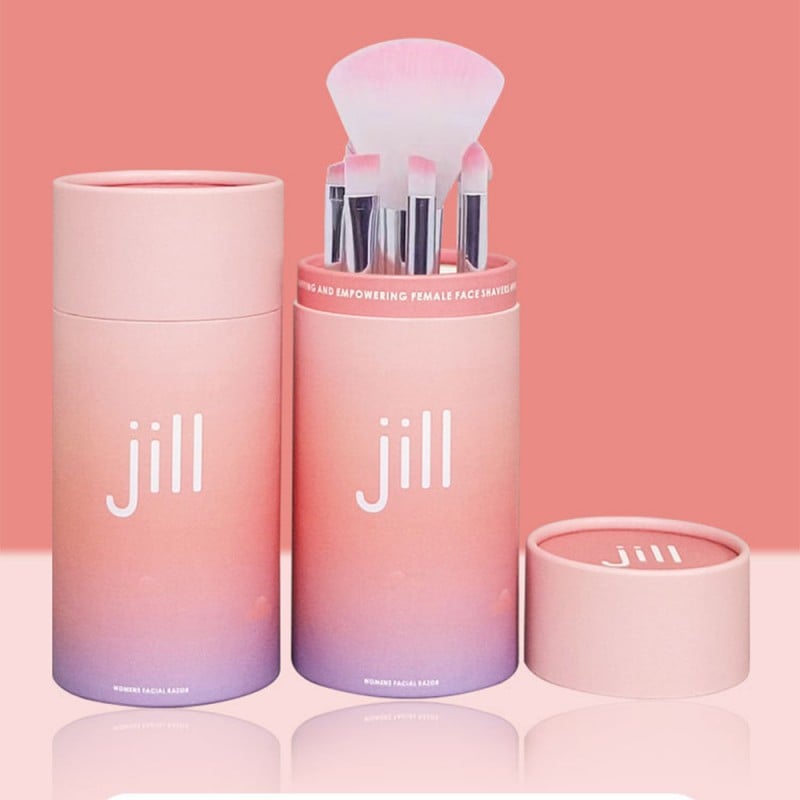
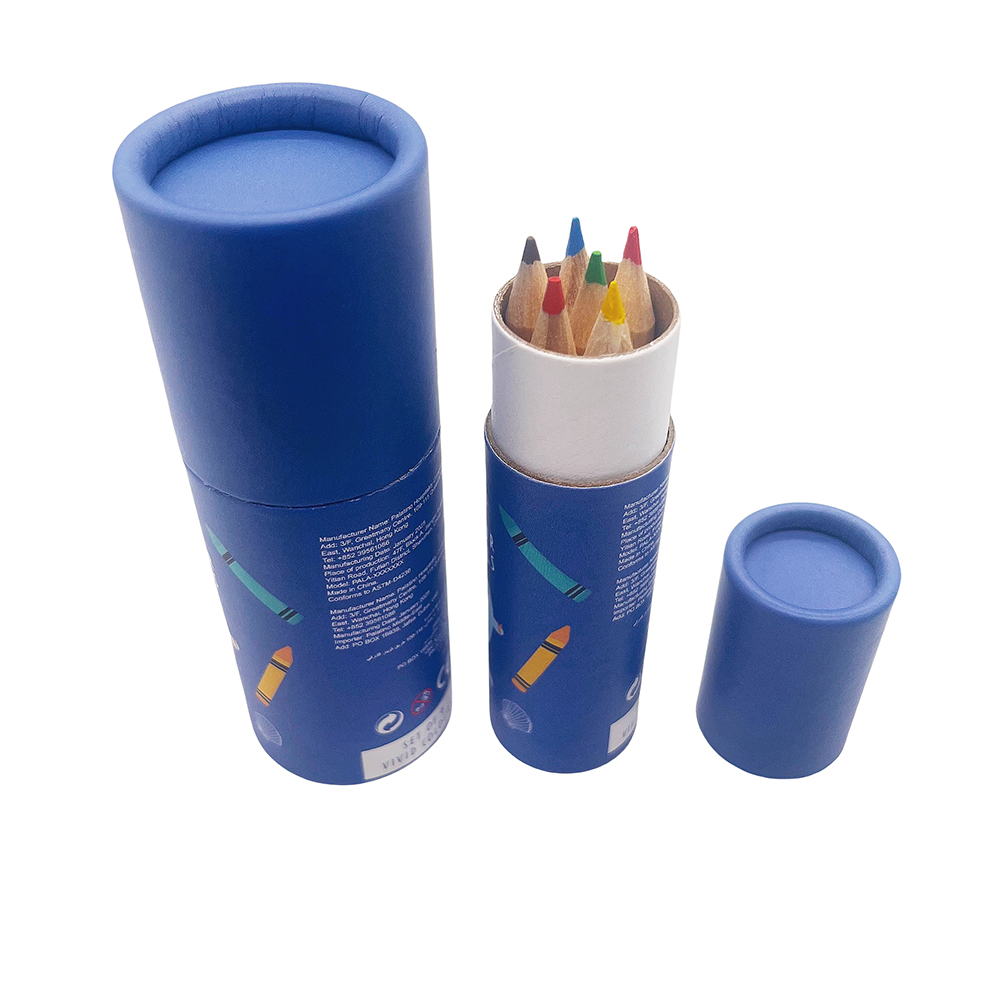
The good news is that alternatives exist, and they are more effective than many realize. Paper tube packaging offers a way to break the cycle. Made from renewable, biodegradable materials, paper tubes are designed to return to nature safely, leaving no toxic residue behind. When disposed of properly, paper tubes degrade within 12 to 18 months in industrial composting facilities, compared to the 400-plus years it takes for a plastic tube to decompose. This fundamental difference means that every paper tube used is a tube that will not spend centuries polluting our oceans, harming marine life, or contributing to the growing accumulation of microplastics in the environment.
Beyond biodegradability, paper packaging requires significantly less energy to produce than plastic. According to lifecycle assessments, paper tubes generate up to 50% lower carbon emissions during production compared to equivalent plastic packaging, particularly when manufactured using renewable energy and sustainable forestry practices. This reduction in greenhouse gas emissions is critical in the fight against climate change — a fight that directly affects the health of our planet and all its inhabitants. The paper industry is also increasingly powered by renewable energy, with pulp and paper mills converting waste biomass into energy and significantly reducing their reliance on fossil fuels. This circular approach to production — where waste becomes fuel and forests are sustainably managed — is precisely the kind of systemic change needed to address the intertwined crises of plastic pollution and climate change.
Consumer consciousness has never been higher. A 2024 global survey by NielsenIQ found that 78% of consumers consider sustainability important when making purchasing decisions, and nearly two-thirds are willing to pay more for products in environmentally friendly packaging. Young consumers, in particular, are driving this shift. Gen Z and Millennials view environmental action not as an optional extra but as a baseline expectation of any brand they support. They are vocal about their values on social media, calling out brands that greenwash and celebrating those that demonstrate genuine commitment to the planet. For businesses, transparent communication about packaging choices is essential. Consumers want to know not just that packaging is sustainable, but how it was made, what materials it contains, and what will happen to it when it is discarded.
The concept of a circular economy is central to this shift. Unlike the traditional linear model — make, use, dispose — a circular approach keeps materials in use for as long as possible, extracting maximum value before recovering and regenerating products and materials at the end of their service life. Paper tubes are ideally suited to this model. They are made from renewable resources, can be recycled multiple times, and are fully compostable. This closed-loop system minimizes waste, reduces the demand for virgin materials, and alleviates pressure on landfill capacity and natural ecosystems. For businesses and consumers committed to protecting the planet, this circular approach represents a fundamental departure from the wasteful practices that have defined the packaging industry for decades.
The science is clear. Plastic pollution and climate change are two of the most urgent environmental crises of our time, and they are deeply interconnected. The production, use, and disposal of plastic packaging contribute to both. By shifting to paper tube packaging, businesses across all industries can address both issues simultaneously — reducing greenhouse gas emissions while eliminating persistent plastic waste from the environment. Every business that makes this transition is not only improving its own sustainability performance but also contributing to a broader movement toward a more resilient and regenerative economy.
This transition is already happening. Leading companies, from established multinationals to emerging independent brands, are embracing paper packaging as part of their commitment to sustainability. They understand that protecting the planet is not just an ethical obligation — it is also a strategic opportunity to deepen their connection with consumers, differentiate their products, and build a business that is fit for the future. At Rical Keung Packaging, we are proud to support this movement. With over a decade of manufacturing expertise, six production lines, and a daily capacity of 20,000 tubes, we help businesses of all sizes transition from plastic to paper with confidence. We believe that sustainability is not a trade-off but an opportunity — to do better business, build stronger brands, and protect the planet we all share.
The future of packaging is not just about reducing plastic. It is about reimagining packaging as part of a healthy, sustainable ecosystem. It is about recognizing that our choices today determine the world we leave for future generations. And it is about taking responsibility — not because we have to, but because we can. At Rical Keung, we believe that every paper tube is a step toward a healthier planet. One tube may seem small, but together, thousands and millions of tubes add up to a significant difference. The packaging industry has the creativity, the resources, and the influence to lead the way. And the time to act is now. The transition to sustainable packaging is already underway, and the businesses that embrace this change today will define the market of tomorrow. For companies ready to make a difference, paper tube packaging offers a proven, scalable, and impactful solution. Together, we can build a more sustainable future — one paper tube at a time.
 Hot News
2026-08-18
2026-08-17
2026-07-21
2026-07-16
2026-07-01

 EN
EN