The global packaging industry stands at a pivotal moment. For decades, plastic has been the default material of choice — inexpensive, lightweight, and highly versatile. But the environmental cost of this convenience has become impossible to ignore. From ocean microplastics to overflowing landfills, plastic waste has emerged as one of the most urgent environmental challenges of our time. According to the Ellen MacArthur Foundation, the world produces approximately 400 million tons of plastic waste annually, and less than 10% is recycled effectively. The rest ends up in landfills, incinerators, or the natural environment, where it persists for centuries, fragmenting into microplastics that contaminate soil, water, and even the air we breathe.
Regulatory pressure is mounting across the globe. The European Union's Single-Use Plastics Directive, effective since 2021, bans certain plastic items and establishes ambitious recycling targets. The United Kingdom has implemented a Plastic Packaging Tax that penalizes manufacturers using packaging with less than 30% recycled content. In the United States, California and New York are advancing their own plastic reduction legislation, while Canada has classified plastic manufactured items as toxic substances under its environmental protection framework. China, once the world's largest importer of plastic waste, banned foreign waste imports in 2018, forcing developed nations to confront their own recycling limitations. These regulatory developments are compelling businesses across all sectors — from food and beverage to personal care and consumer goods — to reevaluate their packaging strategies. The trend is unmistakable: sustainability is no longer optional, it is mandatory.
Consumer awareness has reached unprecedented levels. People are more environmentally conscious than ever before, and they expect the brands they support to reflect their values. A 2024 global survey by NielsenIQ found that over 78% of consumers consider sustainability important when making purchasing decisions, with nearly two-thirds willing to pay a premium for products in environmentally friendly packaging. Among Gen Z and Millennial consumers, that figure exceeds 80%. Social media has amplified this shift — viral videos of plastic pollution, marine life entangled in waste, and overflowing landfills regularly surface across platforms, intensifying public pressure on brands to demonstrate tangible environmental action. For businesses in every industry, sustainable packaging has become not just an ethical choice but a competitive necessity.
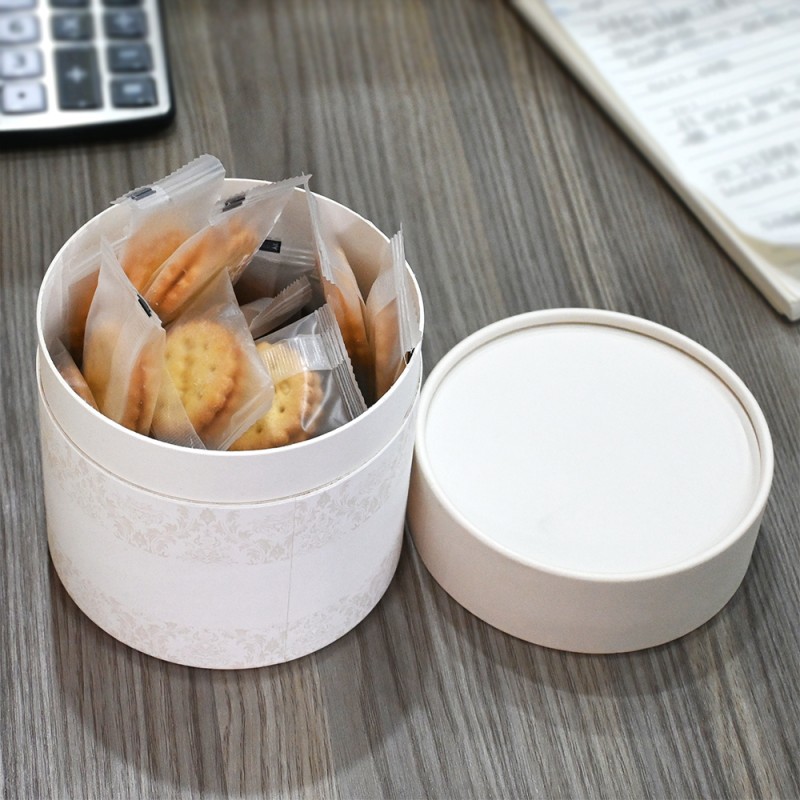
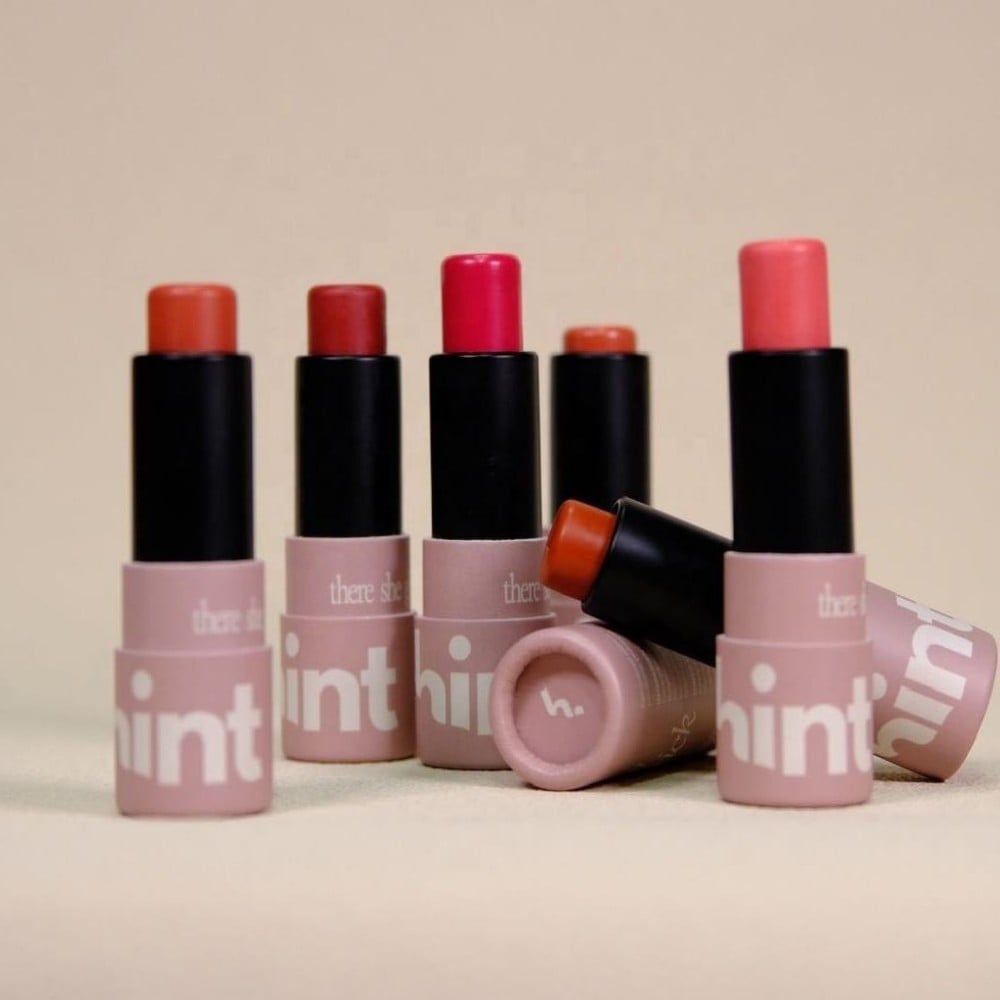
Paper tube packaging has emerged as a compelling solution to these challenges. Unlike plastic tubes that require centuries to decompose, paper tubes are lightweight, fully recyclable, and biodegradable. Independent testing confirms that paper tubes degrade within 12 to 18 months under industrial composting conditions — a dramatic contrast to the 400-plus years required for plastic decomposition. But sustainability does not come at the expense of functionality. Modern paper tubes are engineered with premium kraft paper and solid bleached sulfate board from FSC-certified sources, ensuring durability and structural integrity. Moisture-resistant coatings and secure seals keep a wide range of products fresh and protected, while smooth push-up mechanisms and twist bases deliver user experiences that rival or exceed those of traditional plastic packaging.
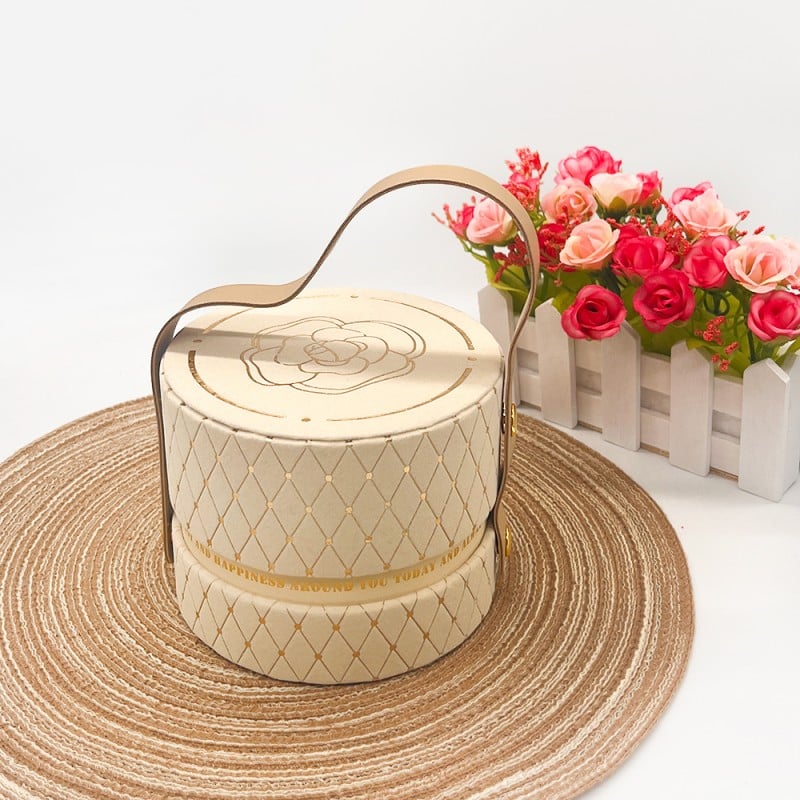
Customization is another significant advantage. Businesses thrive on differentiation, and paper tubes offer extensive creative possibilities — from hot stamping and embossing to gloss and matte lamination, supporting up to eight-color precision printing for vibrant, photorealistic graphics. The tactile warmth of paper inherently conveys authenticity and care, qualities that resonate deeply with modern consumers. In focus groups, products packaged in paper consistently rated as more premium and trustworthy than identical products in plastic, translating directly into purchasing decisions and brand loyalty. The versatility of paper tube packaging spans multiple industries — from cosmetics and personal care to food products, confectionery, stationery, and luxury gifts.
The economic case is equally compelling. While the initial investment in sustainable packaging may be higher, the long-term benefits — stronger customer loyalty, improved brand perception, and access to new market segments — more than justify the cost. Major retailers worldwide have introduced sustainability criteria giving preference to brands with eco-friendly packaging. Online platforms offer "Climate Pledge Friendly" and similar badges that boost visibility for products with certified sustainable packaging, opening doors to increased sales and market share. Businesses that embrace paper packaging position themselves as industry leaders, capturing the growing segment of environmentally conscious consumers while staying ahead of regulatory requirements.
The environmental impact is substantial. By switching to paper tubes, a business can reduce its plastic footprint by up to 80% per unit. For a mid-sized consumer goods company producing one million units annually, that translates into several tons of plastic saved each year — a meaningful contribution to global plastic reduction goals and a powerful narrative to share with customers. Many companies have transformed their packaging transition into full-scale marketing campaigns, generating significant media coverage and social media engagement. Distinctive paper packaging also encourages user-generated content, with consumers enthusiastically sharing their sustainable purchases online.
At Rical Keung Packaging, we are proud to be part of this transformation. With a decade of manufacturing expertise, six production lines, and a daily capacity of 20,000 tubes, we help businesses across industries transition from plastic to paper with confidence. Our rigorous quality control and commitment to innovation ensure that every tube meets the highest standards of performance and appearance. As regulations tighten and consumer preferences shift, the question for businesses is no longer whether to adopt sustainable packaging, but when. Paper is not just a trend — it is the new standard. The packaging industry's transition to sustainable materials is already underway, and the brands that embrace this change today will define the market of tomorrow. At Rical Keung, we believe that packaging can be protective, beautiful, and responsible. It can reflect brand values and meet consumer expectations while leaving a lighter footprint on the planet. For businesses ready to lead the way, paper tube packaging offers a proven, scalable, and impactful solution.
 Hot News
2026-08-18
2026-08-17
2026-07-21
2026-07-16
2026-07-01

 EN
EN