recyclable packaging
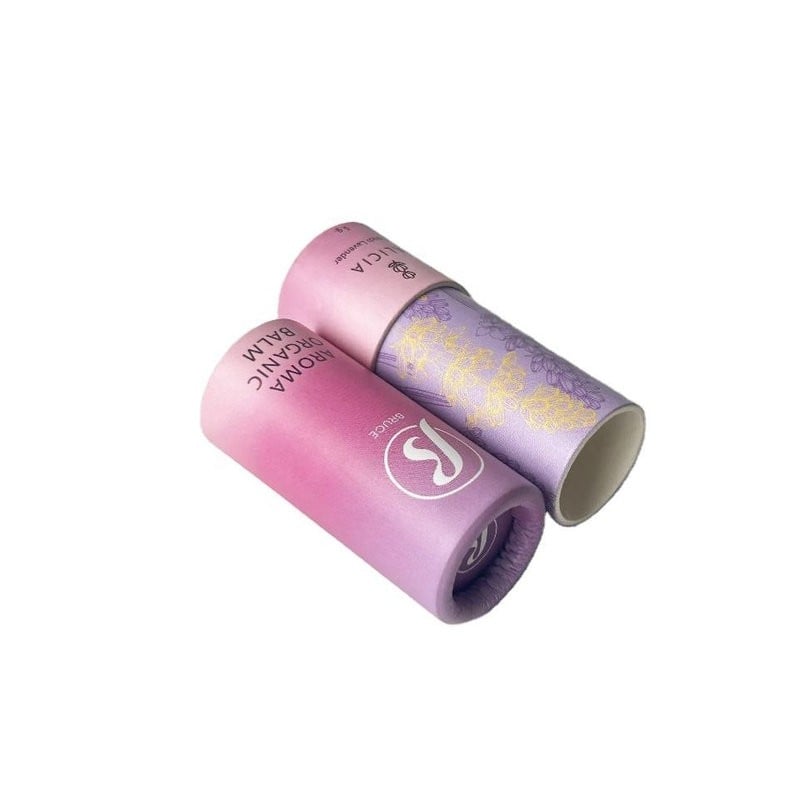
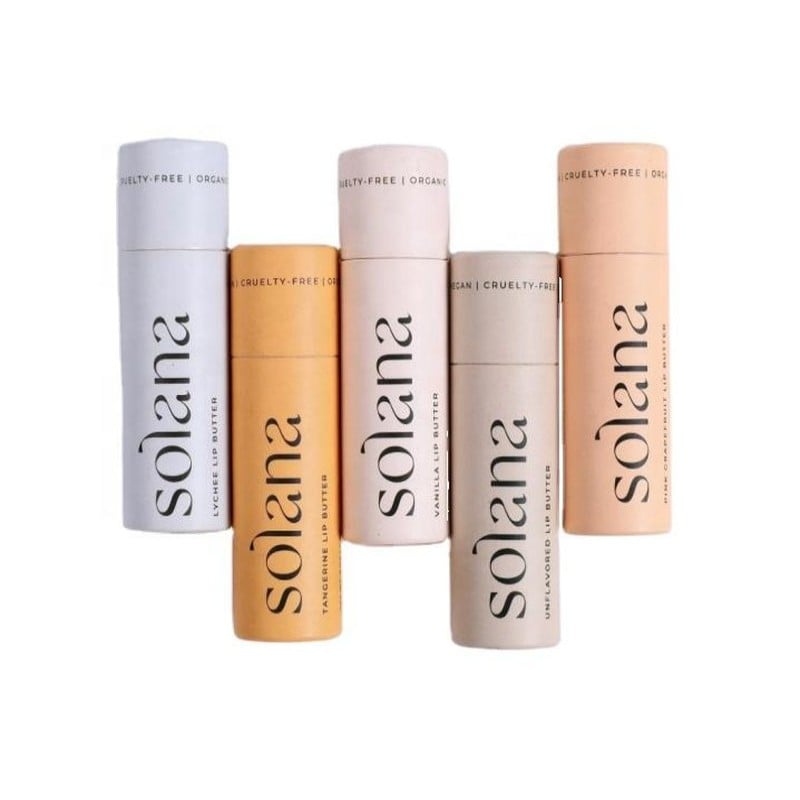
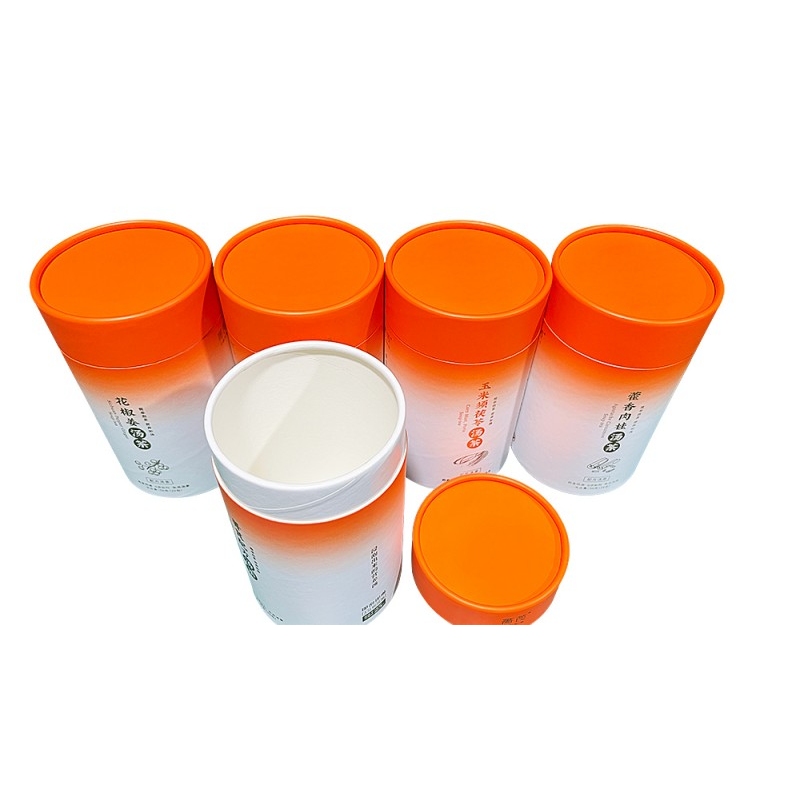
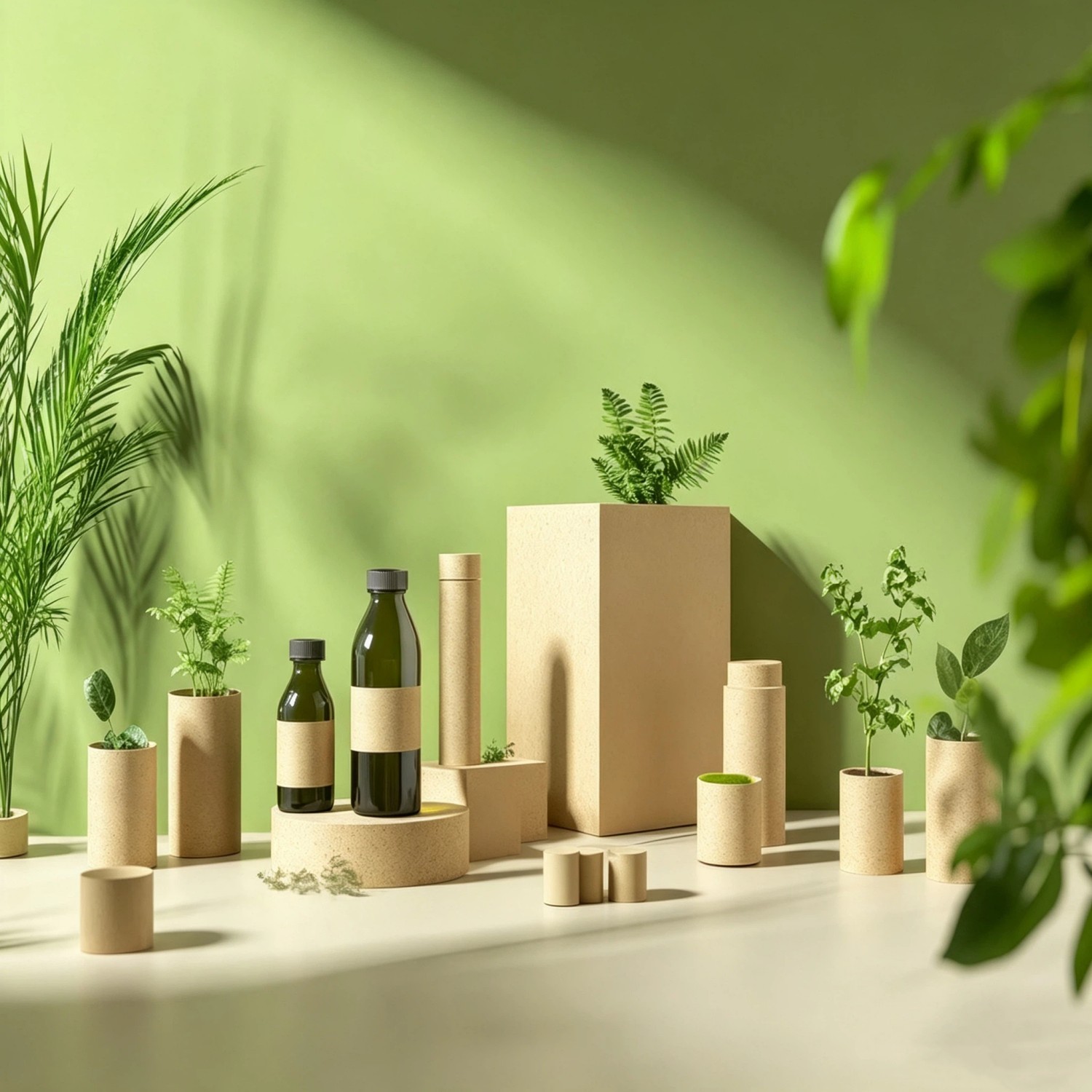
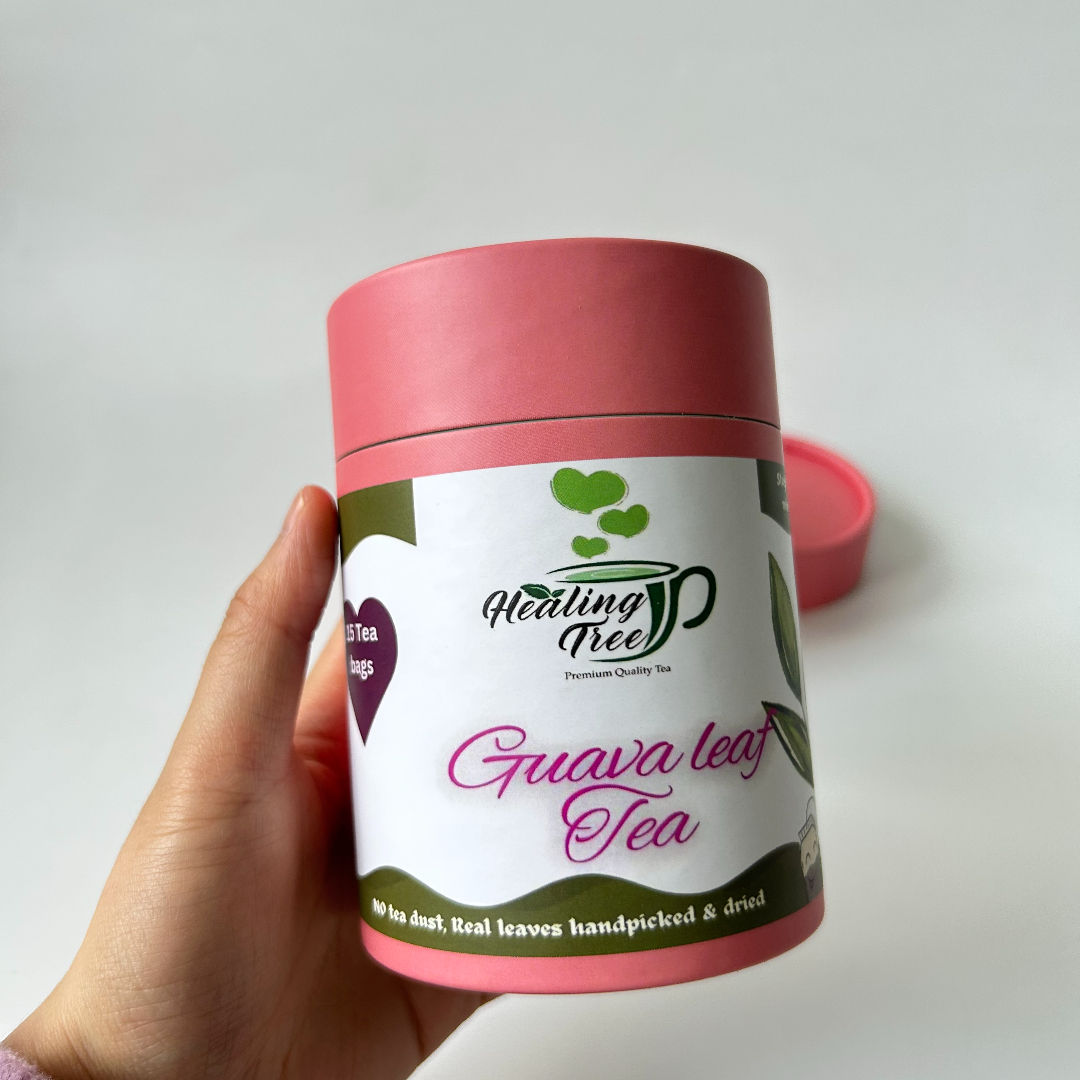
Recyclable packaging represents a modern solution designed to minimize environmental impact while maintaining product protection and shelf appeal. This type of packaging utilizes materials that can be processed and reused multiple times without significant degradation in quality. Recyclable packaging encompasses various formats, including cardboard boxes, paper-based materials, glass containers, and plastic components made from recyclable resins.
The primary function of recyclable packaging is to safeguard products during storage, transportation, and retail display while ensuring the materials can enter circular economy systems. Technologically, recyclable packaging incorporates advanced barrier properties that protect contents from moisture, oxygen, and physical damage. Many recyclable packaging solutions feature laminated structures combining paper, cardboard, and biodegradable polymers to achieve optimal protection.
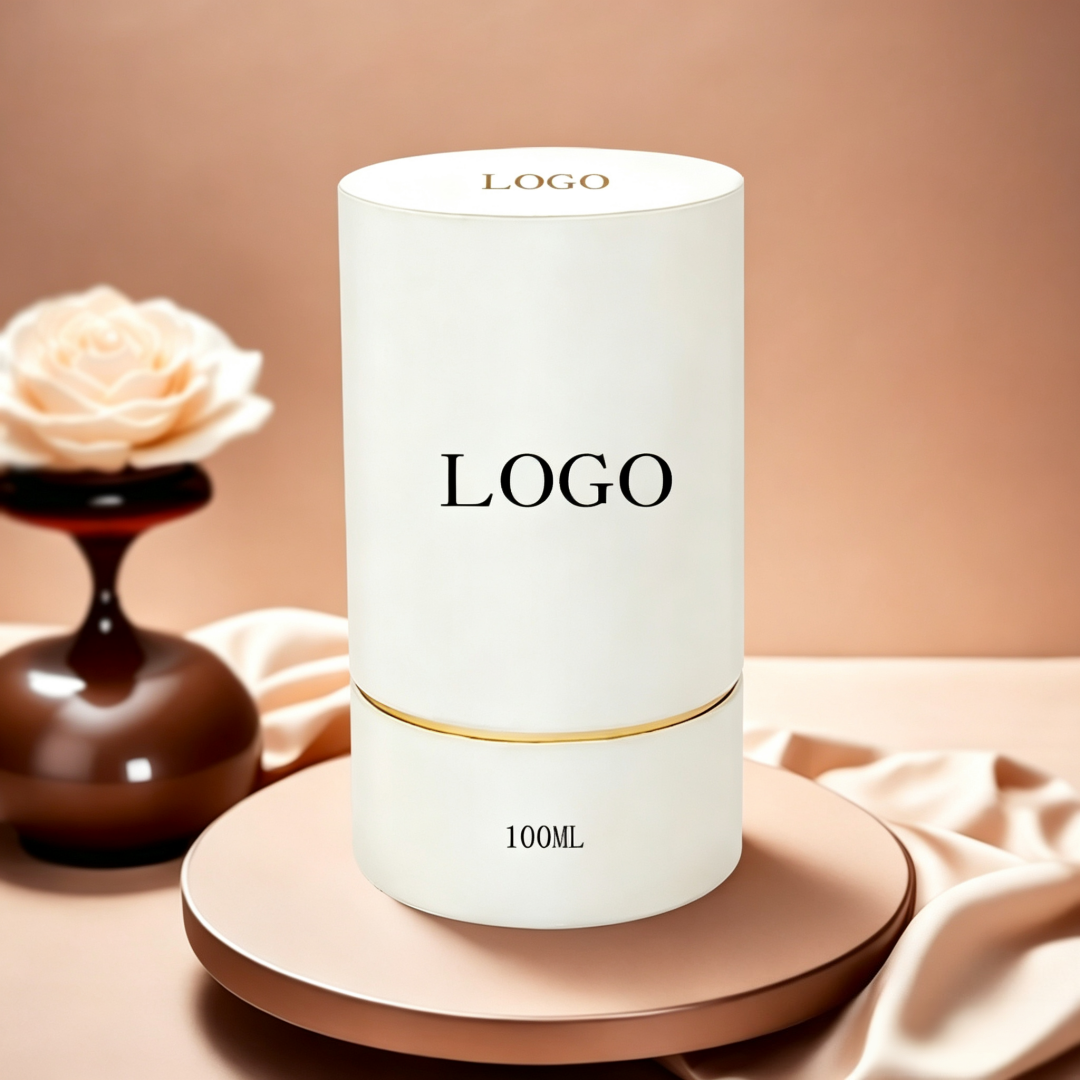
Applications for recyclable packaging span across food and beverage industries, cosmetics, pharmaceuticals, and consumer goods. Manufacturers increasingly adopt recyclable packaging because it aligns with sustainability regulations and consumer expectations. The materials used in recyclable packaging can be sorted at recycling facilities and transformed into new products, reducing landfill waste and natural resource extraction.
Modern recyclable packaging designs incorporate sustainability certifications and clear recycling symbols to guide consumers. The structural integrity of recyclable packaging ensures products remain protected throughout their lifecycle, while the material composition allows easy recovery and reprocessing. This combination of protective functionality and environmental responsibility makes recyclable packaging an essential component of contemporary supply chains and corporate sustainability initiatives.

 EN
EN