plastic free packaging
Plastic free packaging represents an innovative approach to product protection and delivery without relying on conventional plastic materials. This sustainable packaging solution uses alternative materials such as paper, cardboard, biodegradable polymers, and plant-based substances to create protective barriers for goods during storage and transportation. Plastic free packaging serves the fundamental function of safeguarding products from physical damage, moisture, and contamination while maintaining product integrity throughout the supply chain.
The technological features of plastic free packaging include advanced barrier coatings derived from natural sources, reinforced structural designs using layered materials, and moisture-resistant treatments applied to compostable substrates. These innovations enable plastic free packaging to perform comparably to traditional plastic alternatives without environmental compromise. The material composition often incorporates recycled content, ensuring that plastic free packaging reduces waste streams and supports circular economy principles.
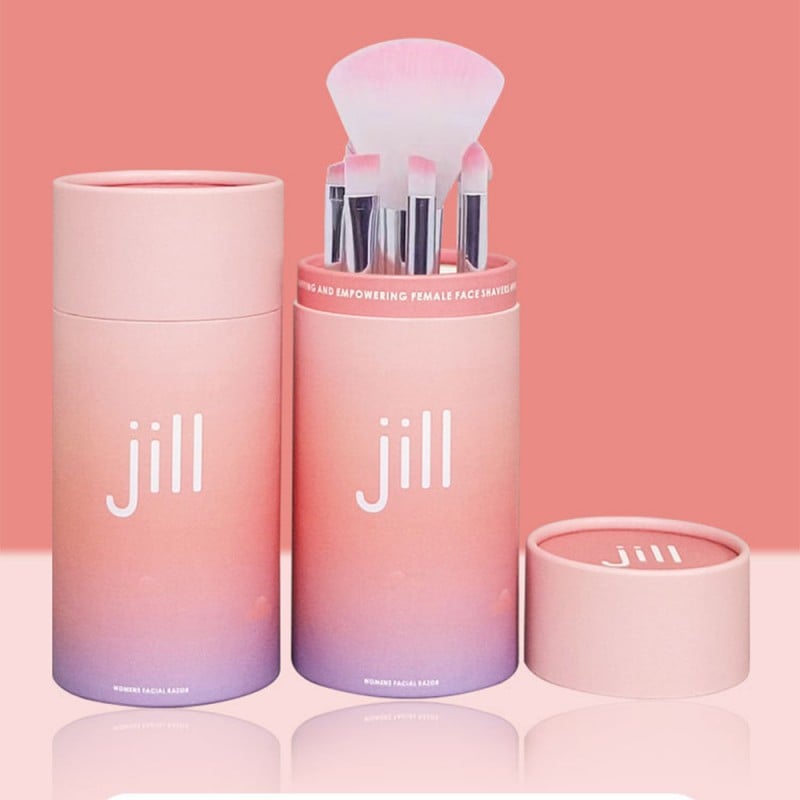
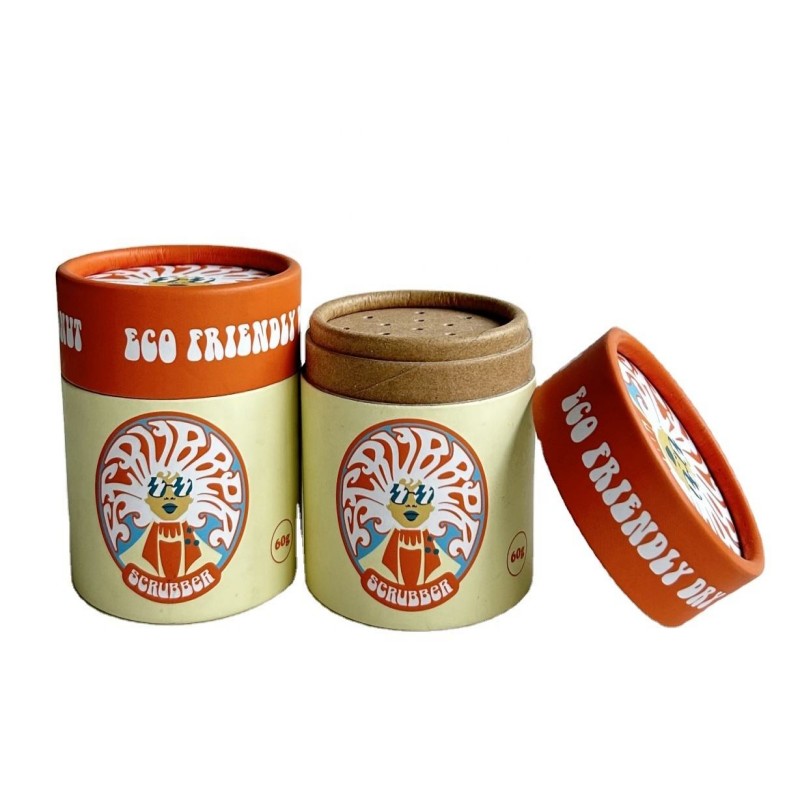
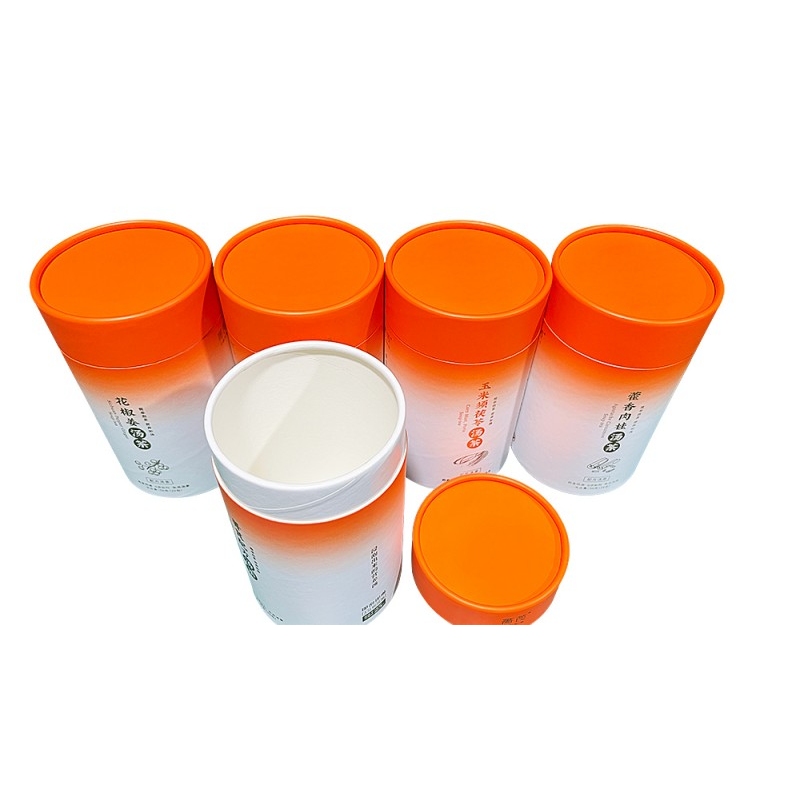
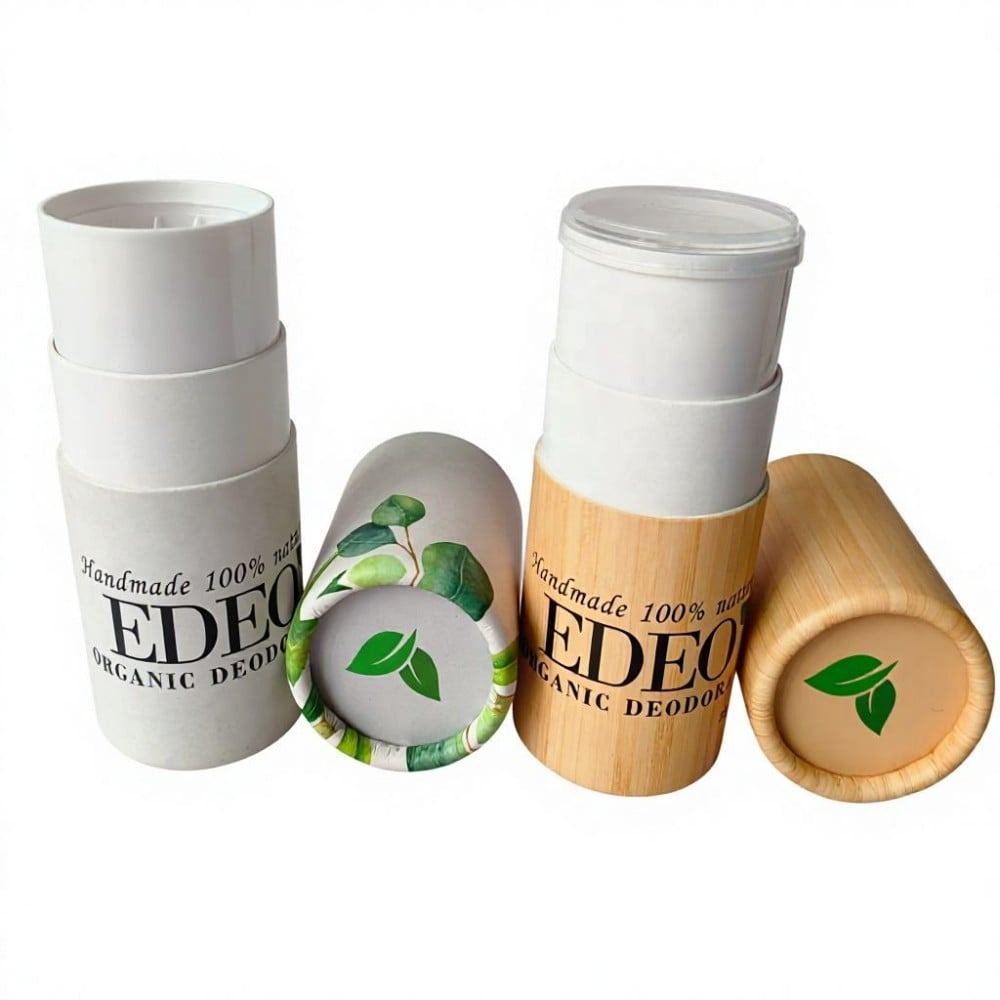
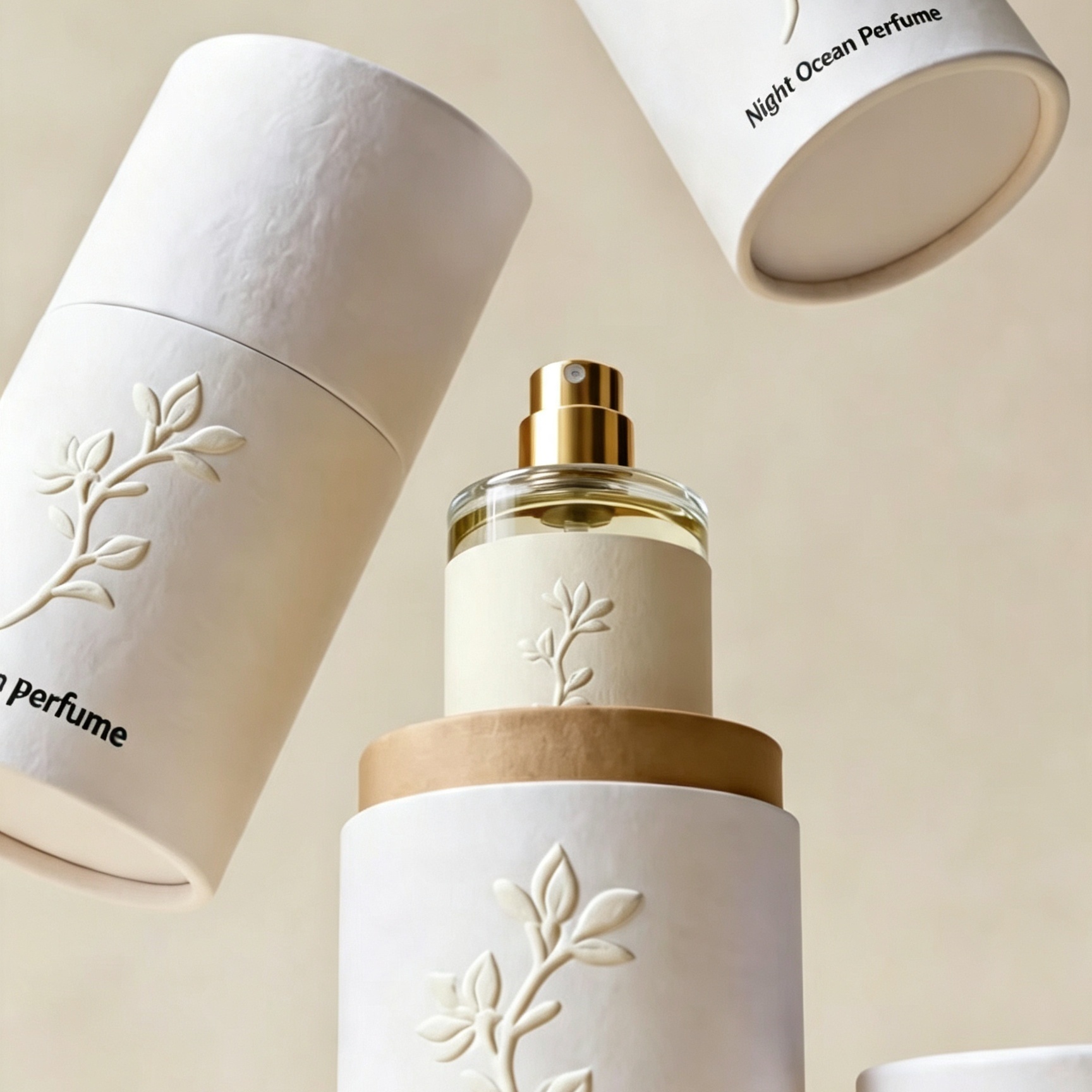
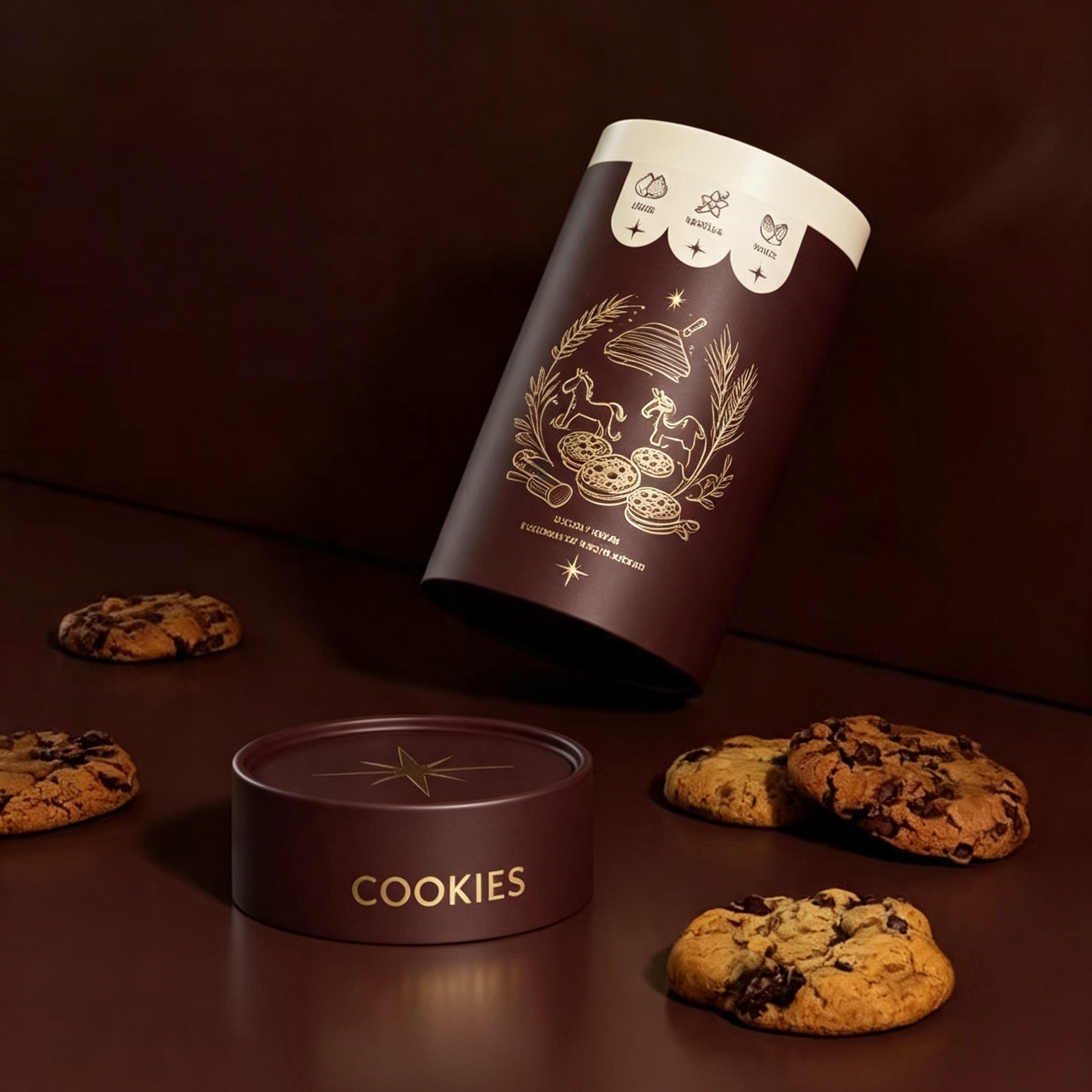
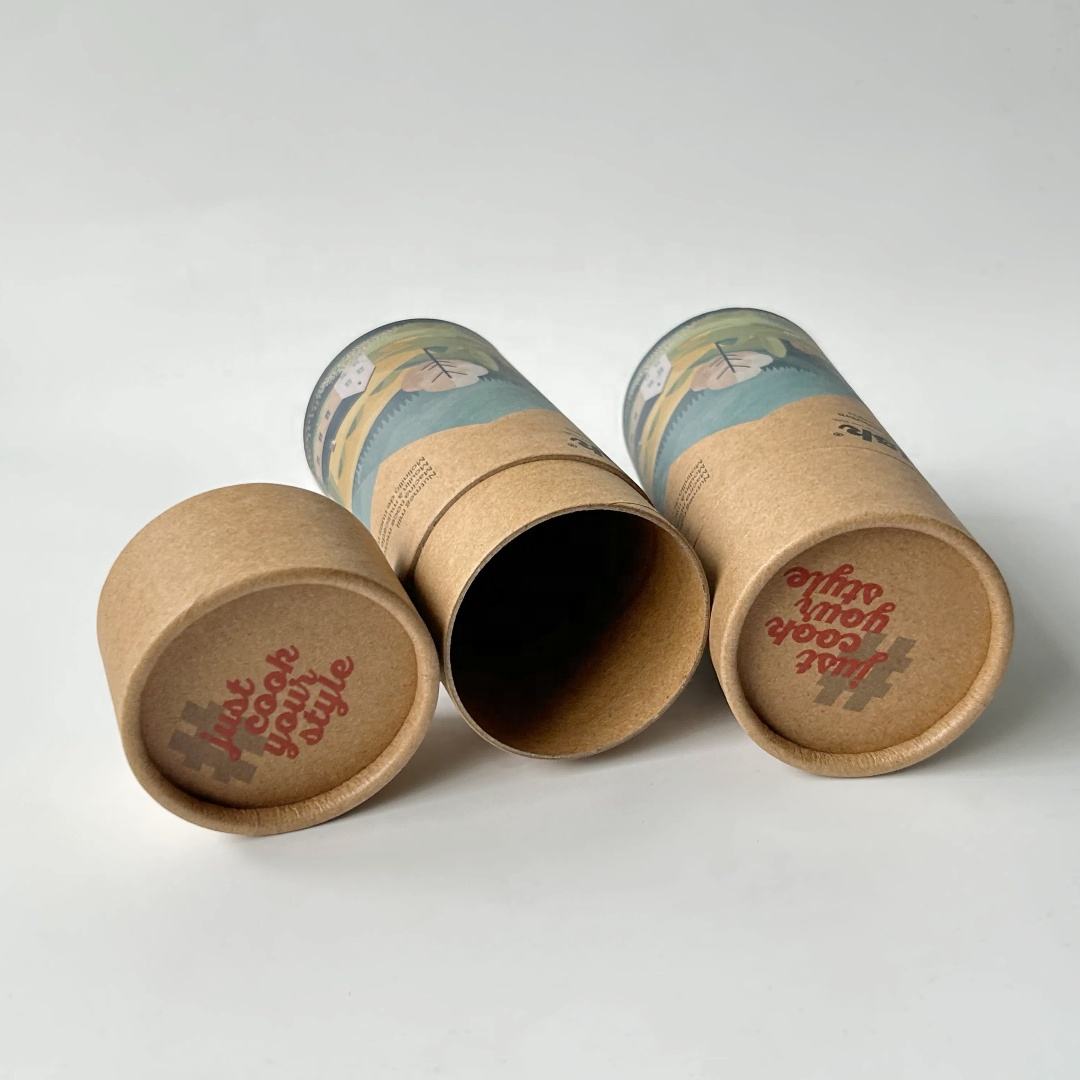
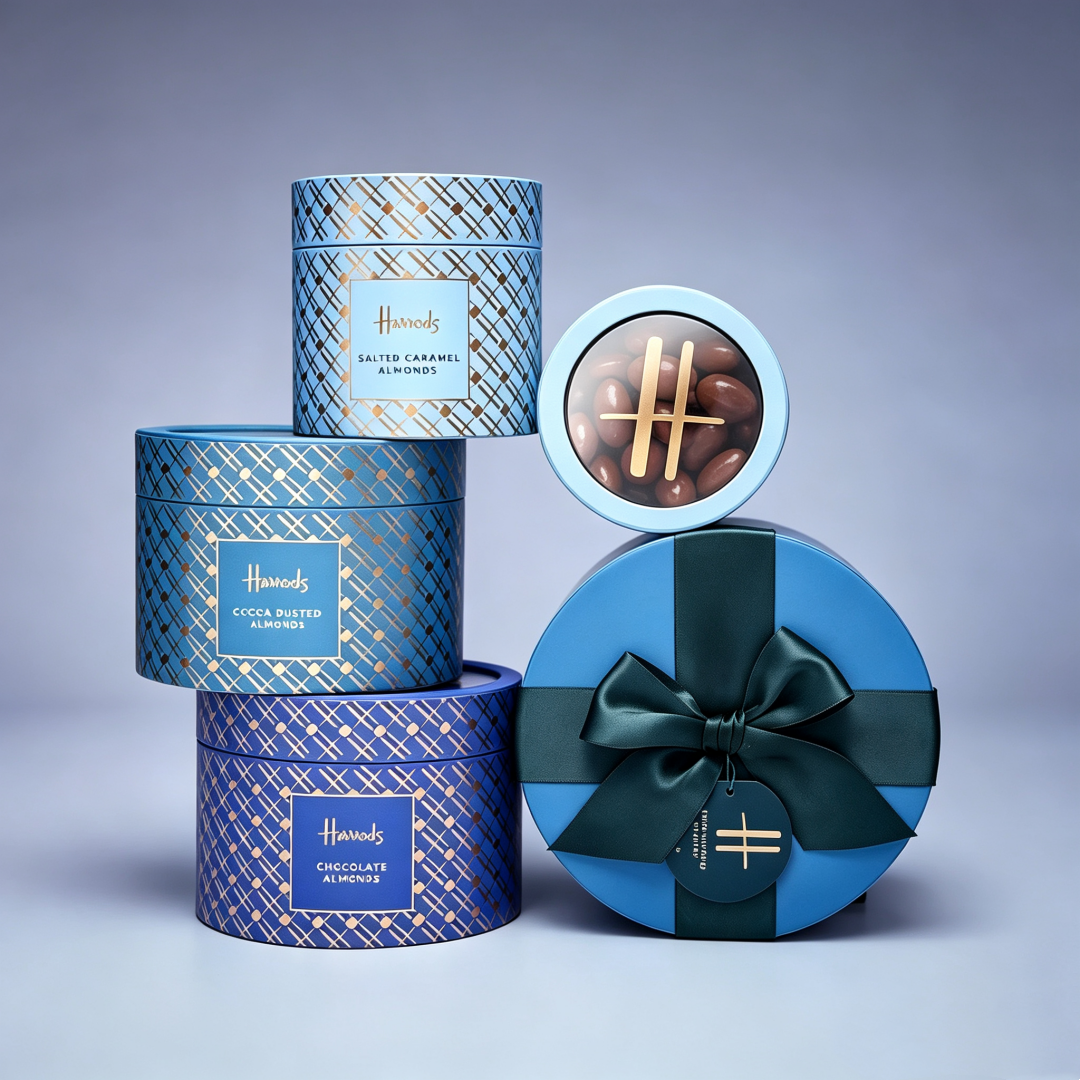
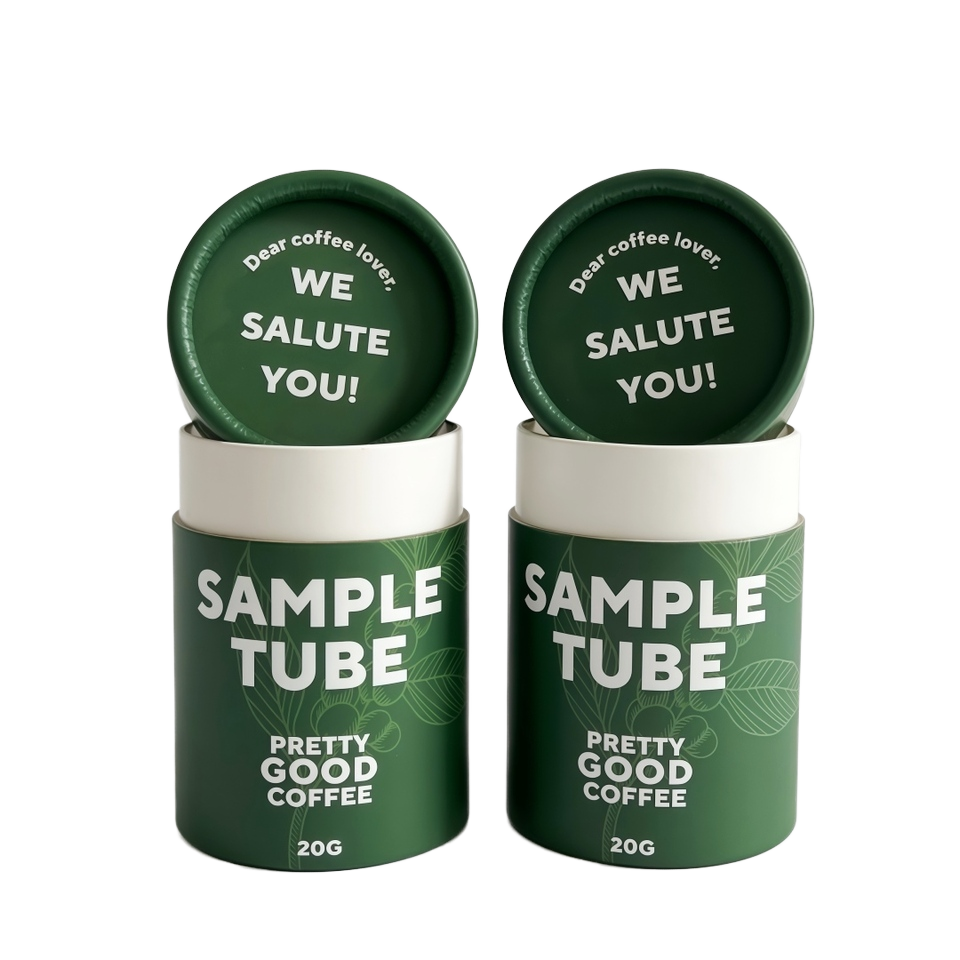
Applications for plastic free packaging span numerous industries including food and beverage, cosmetics, electronics, pharmaceuticals, and e-commerce fulfillment. Manufacturers utilize plastic free packaging for protective wrapping, shipping containers, retail display boxes, and product cushioning. Retailers and online sellers increasingly adopt plastic free packaging to meet consumer demand for sustainable solutions. Food producers implement plastic free packaging for dry goods, snacks, and fresh produce protection. The versatility of plastic free packaging makes it suitable for various product categories while maintaining compliance with food safety standards and shipping regulations. Organizations worldwide recognize plastic free packaging as essential for reducing environmental impact and demonstrating corporate responsibility.

 EN
EN